

Mexican Ninja takes place in Nuevo Tokyo, a bizarre world where Mexican and Japanese cultures have been fused together following a conflict between the two countries. Things get even stranger when the Yakuza and Narcos join forces to create the Narkuzas, a criminal organization that now controls the city.
As the titular Mexican Ninja, my objective was pretty straightforward: travel through Nuevo Tokyo, fight the Narkuzas and eliminate their leaders ; that’s pretty much all the motivation I needed.
The story isn’t particularly complicated, and the game doesn’t spend a lot of time trying to explain its world. Instead, it threw me directly into the action and allowed the ridiculous setting speak for itself ; there is a lot of ridiculousness here.
Mexican Ninja clearly isn’t interested in taking itself seriously. The dialogue, characters, enemies and situations constantly lean into crude jokes and exaggerated stereotypes. Some of the humor worked for me, while other jokes felt like they were trying a little too hard. The combination of Spanish, English and Japanese also gives the game a unique personality. Still, I appreciated the game’s willingness to embrace its completely absurd premise. Mexican Ninja knows exactly what it is, and it never tries to convince me otherwise.
You can expectedly master slick combos, unleash outrageous Mexican Jutsus and craft deadly builds in this fast, chaotic 2.5D roguelike beat ’em up.
I would also like to thank Madbricks and Amber Studio for providing the Steam key used to test the game. This key was obtained through a collaboration with Keymailer.
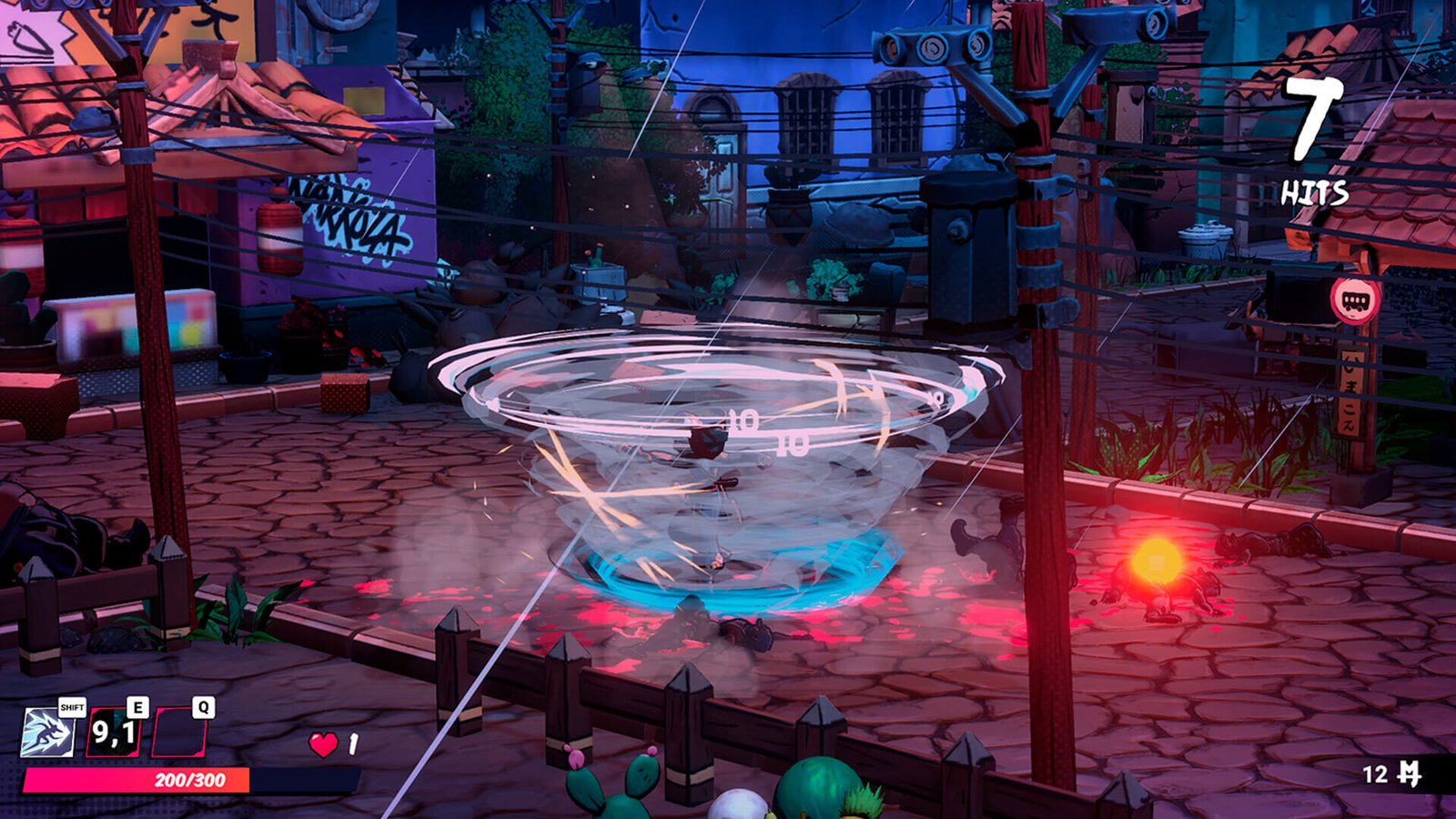
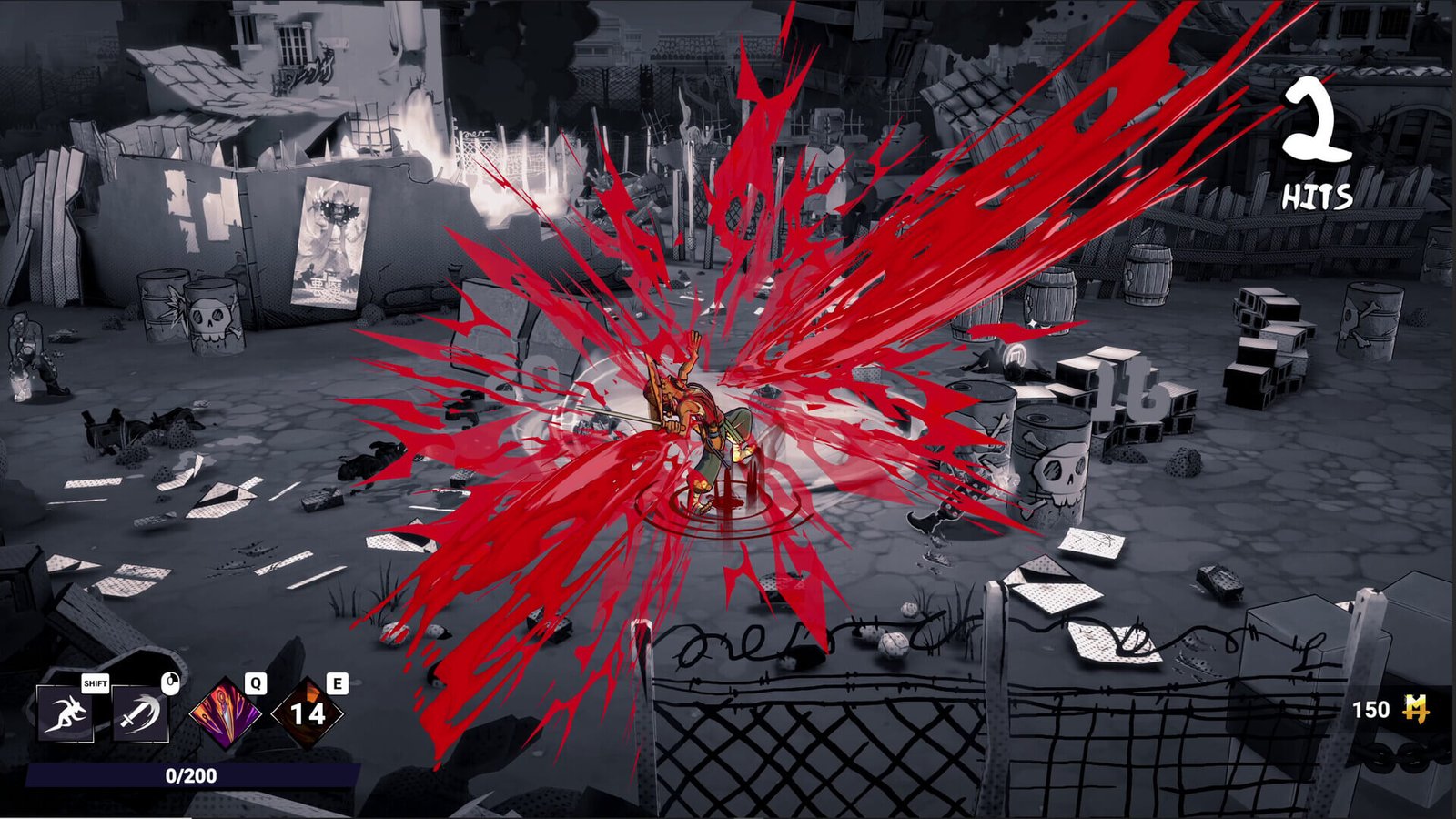
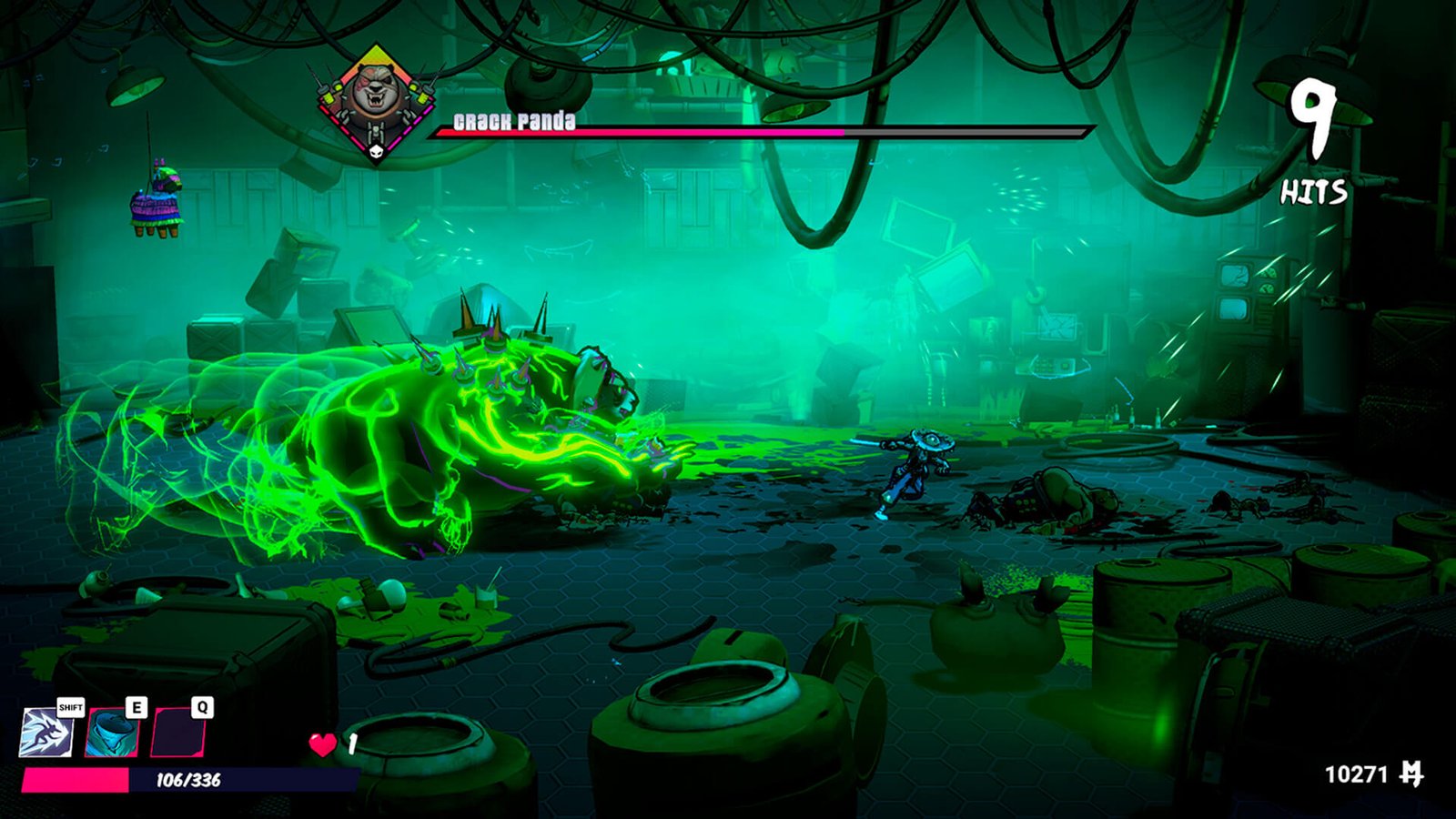
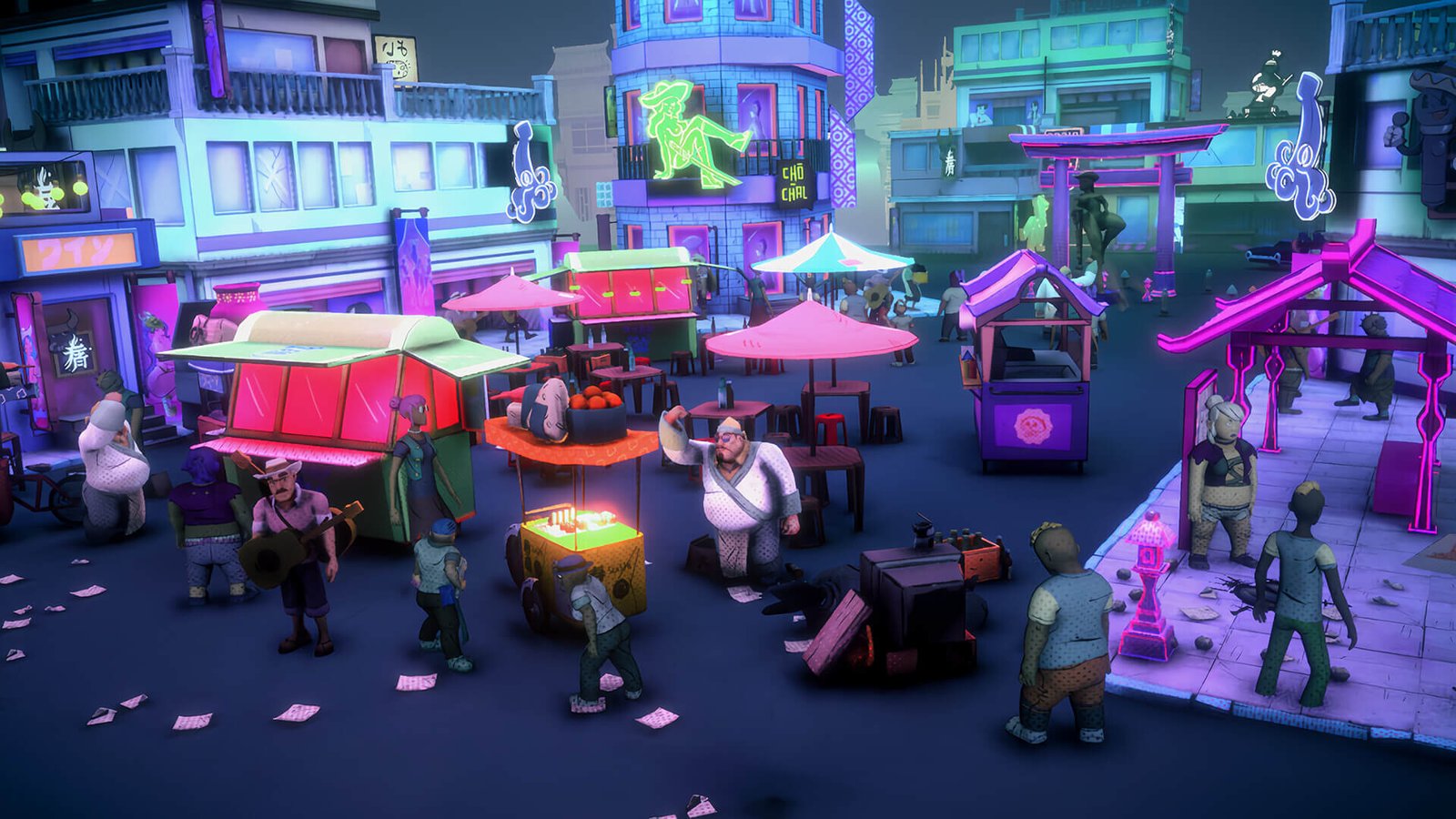
Visually, Mexican Ninja uses a colorful 2.5D art style that fits its over-the-top personality surprisingly well. The environments combine Mexican and Japanese influences to create a world that feels like someone decided to throw a bunch of completely unrelated ideas together and somehow make them work. The characters are exaggerated, the enemies are ridiculous and the environments are packed with little details that reinforce the game’s sense of humor. You can expect a lot of funny visual cameos.
I particularly enjoyed the overall aesthetic because it reminded me of the downloadable computer games that were so common during golden age of sites like Newgrounds. It isn’t technically impressive in the traditional sense, but the art direction gives the game a recognizable identity.
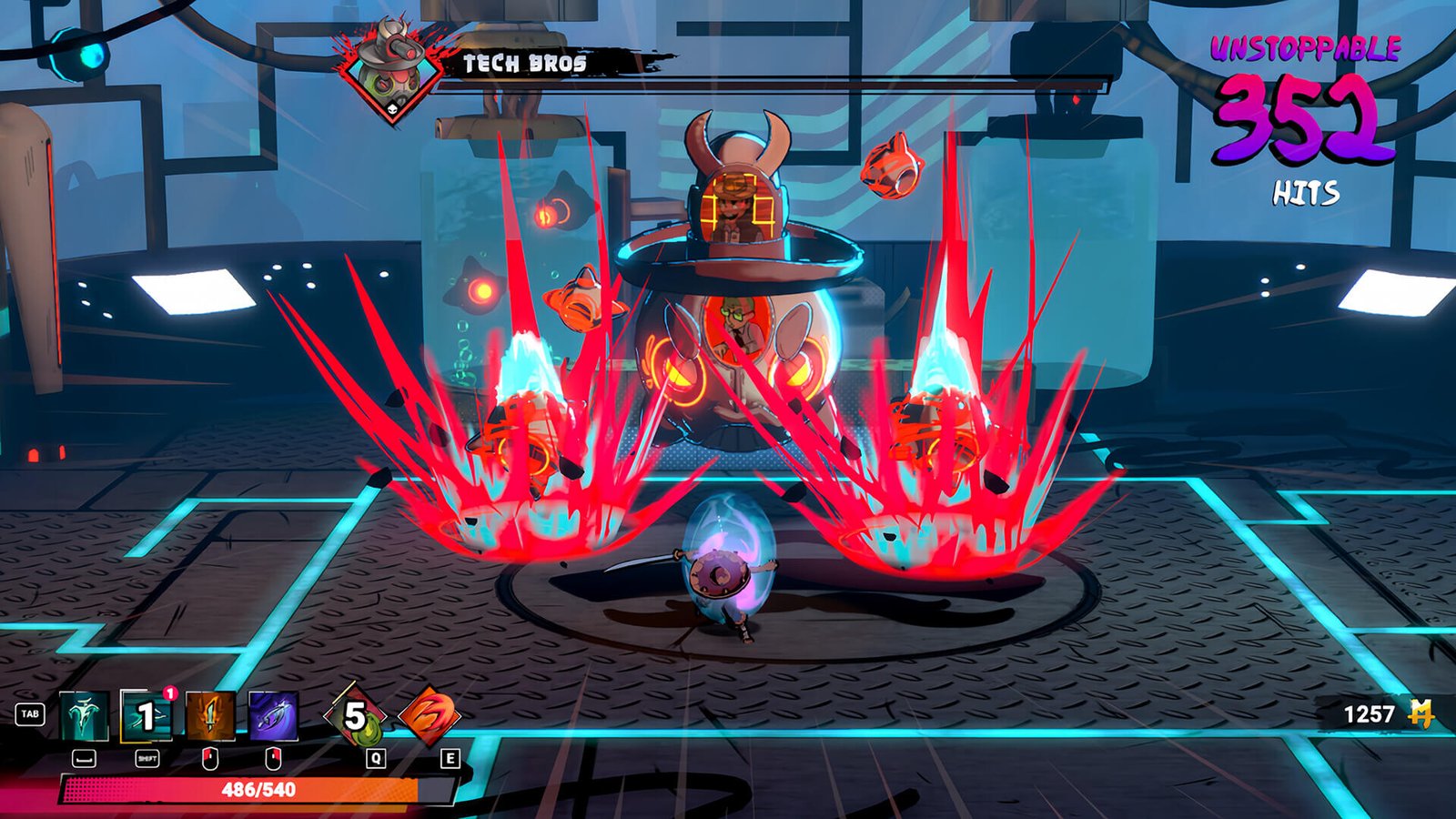
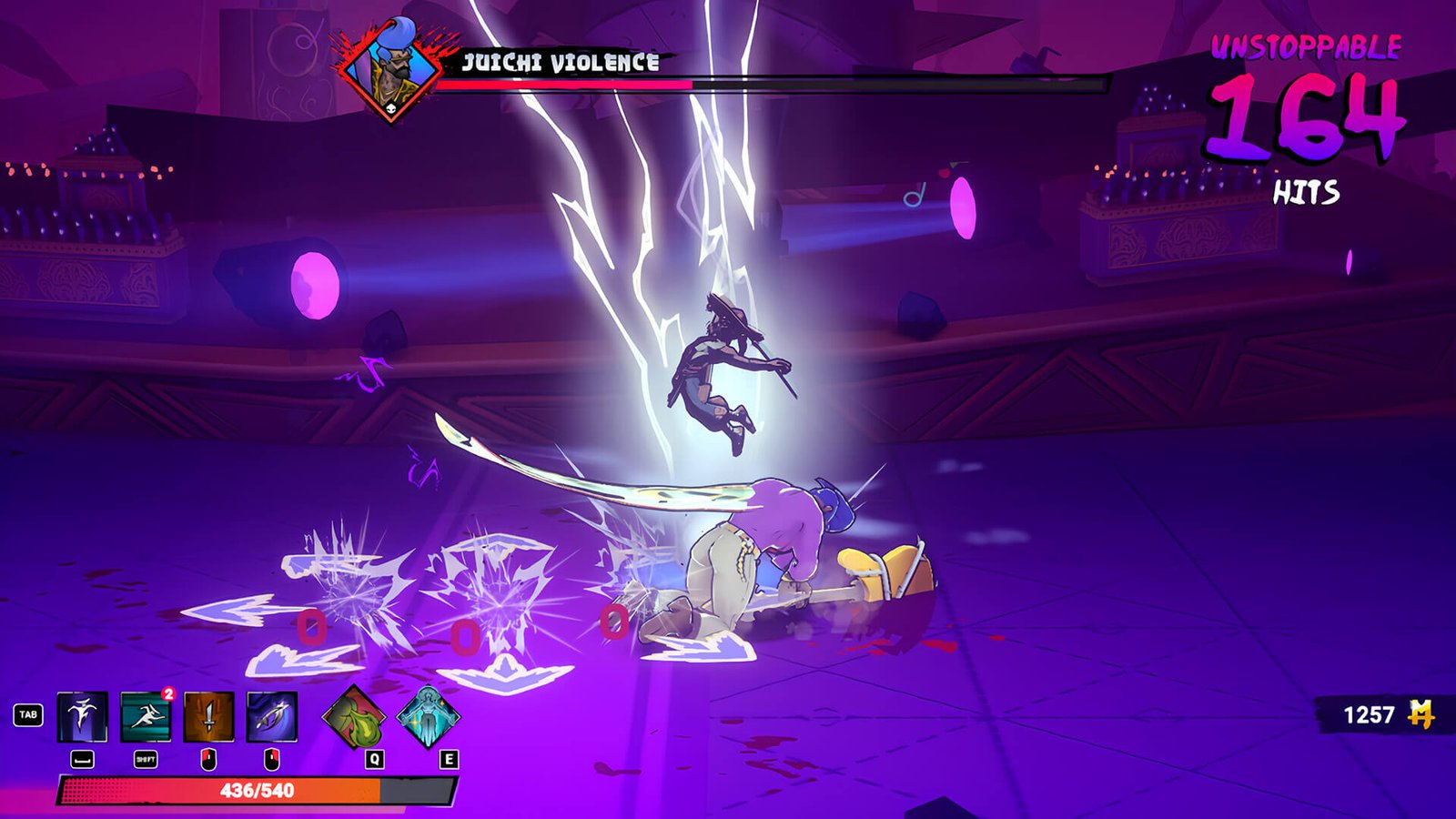
The combat is still great when everything starts happening at once. And trust me, things can get pretty chaotic. As I progressed and unlocked more abilities, the screen could quickly become filled with enemies, explosions, projectiles and special attacks. It looked ridiculous at times, but that’s exactly what I expect from a game called Mexican Ninja.
Unfortunately, the visual presentation isn’t perfect. Some environments lack variety, and certain elements can become difficult to distinguish when the action gets particularly hectic. Traps can also be difficult to spot, while the relatively small character models didn’t always make it easy to understand what was happening around me.
Despite these limitations, I think the art direction punches above its height. Mexican Ninja has a personality, and that’s much more important here than having technically impressive graphics. It’s all beautiful, muchachos.
The gameplay is where Mexican Ninja really starts to shine.
At its core, you can expect to move through short stages, fight groups of enemies, collect resources, unlock upgrades and eventually face increasingly difficult bosses.
The controls are simple enough that I was able to jump into the action almost immediately.
You can expect light and heavy attacks, movement abilities, dodges and special attacks known as Mexican Jutsus. The combat did initially feel fairly basic, but things became considerably more interesting as I unlocked additional abilities.
One of my favorite features was the ability to juggle enemies. Also, jumping attacks allowed me to keep enemies in the air and combine different attacks into longer combos. This graces the combat with a little more depth than simply standing in front of an enemy and repeatedly pressing the attack button.
You can also expect a parry mechanic that can be used to expose enemies to executions. The idea is great, although actually pulling it off can sometimes be difficult when the screen is filled with enemies and visual effects.
The Mexican Jutsus are probably the most entertaining part of the combat system.These special attacks can completely change the flow of a fight. Some allowed me to attack multiple enemies at once, while others create ridiculous situations that perfectly match the game’s sense of humor.
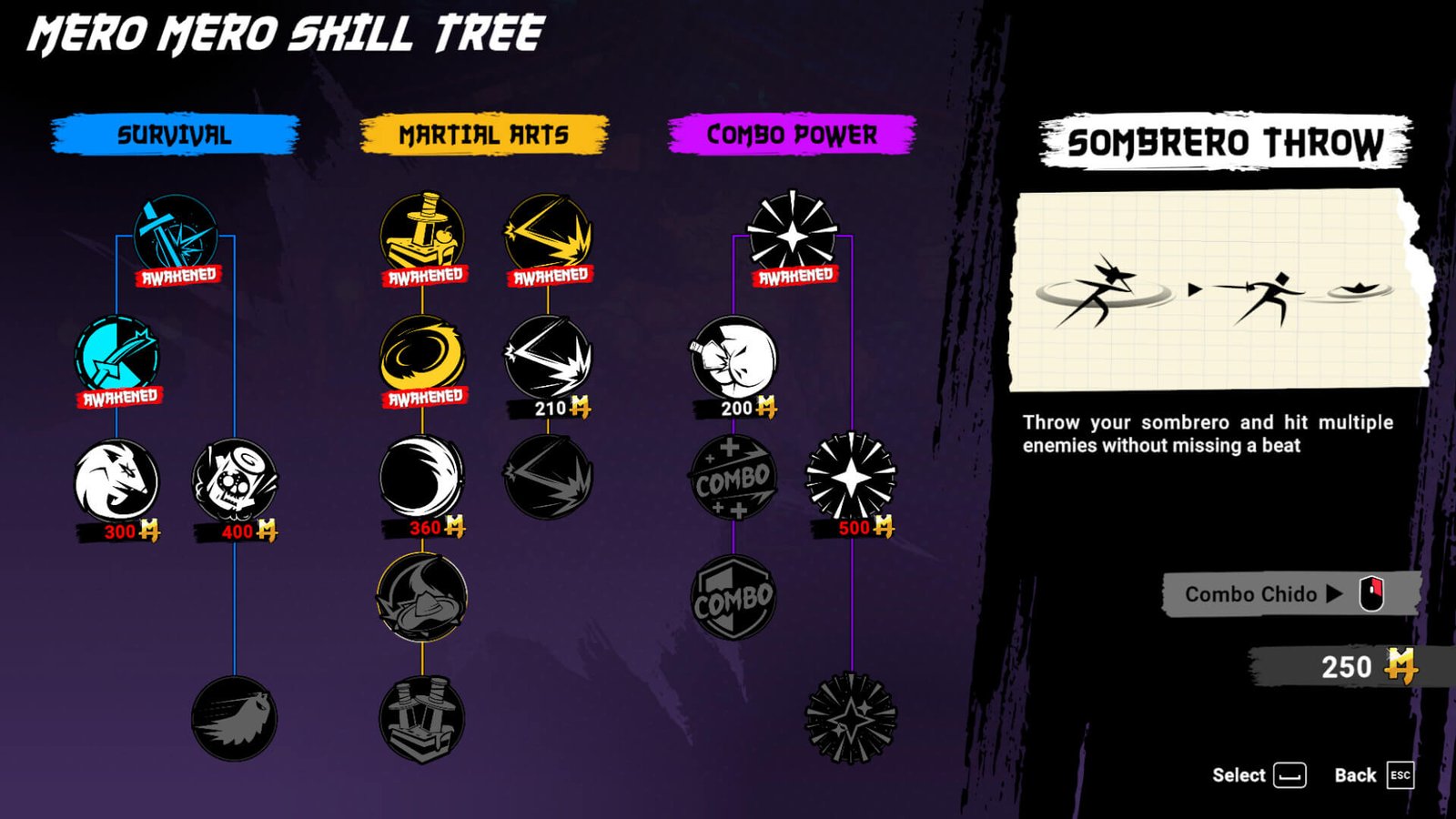
As I progressed, I found myself enjoying the combat more and more simply because I had more tools available. The roguelite progression system is also important.
When you die, you don’t simply start from nothing. You can use the resources collected during previous runs to improve your character, unlock new attacks and become stronger. It’s a formula we’ve seen many times before, but it works particularly well with a beat ’em up.
It’s not just all tequila and rainbows, this is also where some of the game’s limitations become apparent. The stages are relatively short and fairly linear. You can expect to fight a group of enemies, move forward, fight another group and continue until you reach the end of the area.
The roguelite elements help alleviate this problem, but they don’t completely eliminate it.
The upgrade system is enjoyable, but I would have liked to see more interesting synergies between abilities. Mexican Ninja gave me plenty of ways to become stronger, but it rarely produced those moments where a combination of upgrades completely changed how I played.
Still, the combat remained satisfying enough to keep me coming back.
The story is probably the weakest aspect of Mexican Ninja, but that’s not necessarily a major problem. The basic premise is simple: the Narkuzas control Nuevo Tokyo, and the Mexican Ninja has to eliminate their leaders.
That’s basically it.
The game uses dialogue and comic-book-style sequences to move the story forward, but the narrative is mostly an excuse to get you from one fight to another. And honestly, I was perfectly okay with that.
This isn’t a game you may want to play for an emotionally complex story. I played it because I wanted to run around with a katana and beat up ridiculous enemies. The humor is definitely going to be subjective. Some jokes are funny because of how absurd they are, while others can feel juvenile or simply go too far. The story does, however, give the game enough personality to keep the experience entertaining. It isn’t memorable, but does it really need to be?
The music and sound design fit the game’s chaotic personality quite well. The soundtrack helps maintain the fun atmosphere, while the sound effects give the combat enough impact to make each attack feel satisfying. When several enemies were attacking at once and I was using Jutsus while trying to maintain a combo, the music and sound effects helped create that feeling of complete mayhem. The audio isn’t necessarily something I’ll remember long after finishing the game, but it services what it needs to do. There is also some voice work, although the game isn’t fully voiced. Most of the story is delivered through dialogue bubbles and comic-style sequences. Overall, the sound design is competent and appropriate for the game’s style.
Mexican Ninja is definitely one of those games that is almost impossible to take seriously, and honestly, that’s probably one of its greatest strengths.
The unusual combination of Mexican and Japanese influences gives the game a distinct personality, while its beat ’em up mechanics provide a solid foundation for the entire experience. The combat is easy to pick up, but it becomes much more enjoyable as I unlock new attacks, Jutsus and upgrades. The roguelite progression also gives me a good reason to keep coming back after each failed run, as every attempt allows me to become stronger and experiment with different abilities. That said, Mexican Ninja is far from perfect. The stages can become repetitive, the enemy variety is somewhat limited, and the visual chaos occasionally makes it difficult to distinguish certain attacks and traps. I also would have liked to see more variety in the upgrade system, particularly when it comes to creating different builds and playstyles. The game’s sense of humor will also be a matter of personal preference. If crude jokes, exaggerated stereotypes and deliberately absurd situations aren’t your thing, Mexican Ninja probably won’t win you over. However, if you’re willing to embrace its ridiculous premise, there’s a genuinely enjoyable beat ’em up hiding underneath all the madness.
What I appreciated most is that Mexican Ninja knows exactly what kind of game it wants to be. It doesn’t try to reinvent the roguelite genre or compete with the biggest titles in the market. Instead, it takes a familiar formula and gives it a completely over-the-top personality.
And sometimes, that’s all a game needs to do. Mexican Ninja may not reinvent the beat ’em up genre, but it delivers fast-paced combat, satisfying progression and plenty of ridiculous moments that kept me entertained throughout my time with it.
It’s chaotic, crude, colorful and completely absurd. But most importantly, I had a damn good time playing it.
Mexican Ninja can be purchased on PC, Xbox and PlayStation :

Content creator from Quebec covering news, reviews, opinion pieces, interviews, and contests. Married and a dad of two little monsters. Michel is constantly immersed in a deep nostalgia for Japanese cartoons from the 1980s and 1990s.